The words you write
about loss are the
ones that lighten it.
Write about the person you've lost. Each session generates a unique piece of memorial art — and gradually, what felt impossible to carry begins to feel lighter.
Start writingYour writing is private — never shared, never used to train AI
You'll create an account and answer a short assessment first
Already have an account? Sign in
Continued Bonds at a glance
A private space, grounded in research
A prompt to start you off
Each session opens with a prompt — a question about the person you've lost, or what carrying this feels like. No right answer, no minimum length. Based on 40 years of Pennebaker research into therapeutic writing.
Memorial art, every session
After you write, AI generates a unique abstract painting drawn from the emotional content of your words. Not a stock image — something made from what you actually said, on that day.
A gallery that grows with you
Every session adds to a private gallery. Over weeks and months it becomes a record — of them, and of how things shift. A visual archive only you can see.
We check in before you begin
Before anything else, a short assessment ensures this is the right kind of support for you right now. If professional help would serve you better, we'll point you towards it.
“Writing about emotional upheavals can improve physical health, reduce anxiety and depression, and increase a sense of coherence.”
— James Pennebaker, psychologist and researcher · Opening Up (1990)
Grief doesn't follow a schedule. It finds you in the middle of ordinary things — when something happens and you reach for your phone before you remember. The people around you may have moved on. You haven't.
That's not something to fix. That's what it means to love someone you can't talk to any more. Most people have nowhere to put any of it. Writing helps — not because it resolves anything, but because it gives your thoughts a shape outside your head.
Each piece is unique
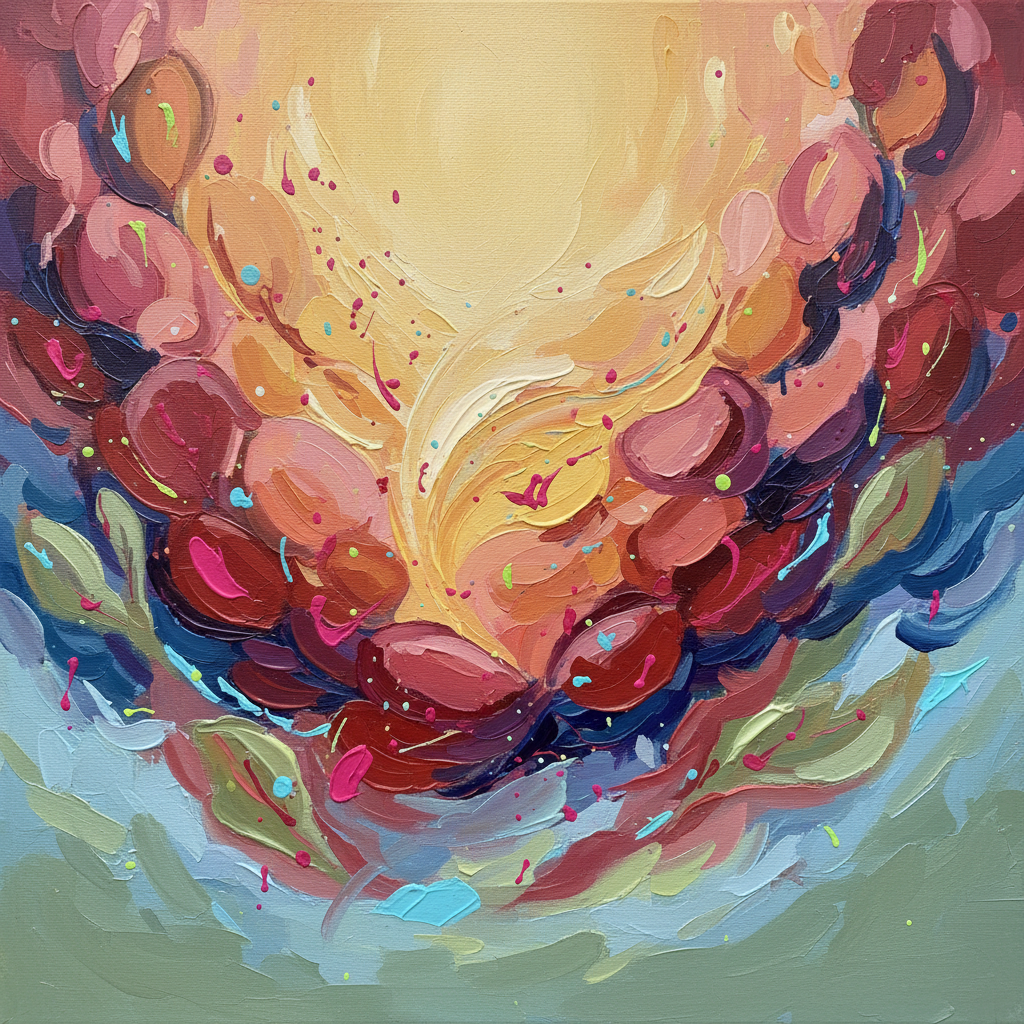
Made from what you wrote, on that day.
No two pieces are alike. Like the person. Like the loss. Your gallery becomes something to return to — a visual record of what you were carrying and how it shifted over time.
Early feedback
From conversations during development. More to come.
“I love it, it's giving perspective. That is what I do most of my time in grief support — you're not providing answers, you're giving them perspective on their grief. This is exactly what they're doing.”
“I like the concept of it, I like that you're creating art that represents the person. Think that is quite special.”
“The reality is that we have machines that are very clever and have the capacity to do lots of things so using them in that way I mean I could really see that being of a lot of value, particularly bearing in mind I often say to people we meet for an hour out of a week or a fortnight you have all of those other hours in which to fill so having something like that where people can access that and again have the potential to not be so alone.”
Built on evidence, not intuition
Over 40 years of research by psychologist James Pennebaker found that writing about difficult experiences — regularly, honestly, without editing yourself — reduces stress and helps people make sense of what they're carrying. Not by making you feel less. By making it more coherent.
Continued Bonds is also built on continuing bonds theory: the idea that maintaining a connection with someone who has died is healthy, not a sign you're stuck. You don't close a chapter. You find a way to carry it.
If you're struggling right now, you don't need this app — please reach out to someone who can help. Support is available, including 24/7 helplines.
When you're ready,
the space is here
Register, complete a short assessment, and see if this is right for you.
Start writingYour writing is private and never used to train AI.